×
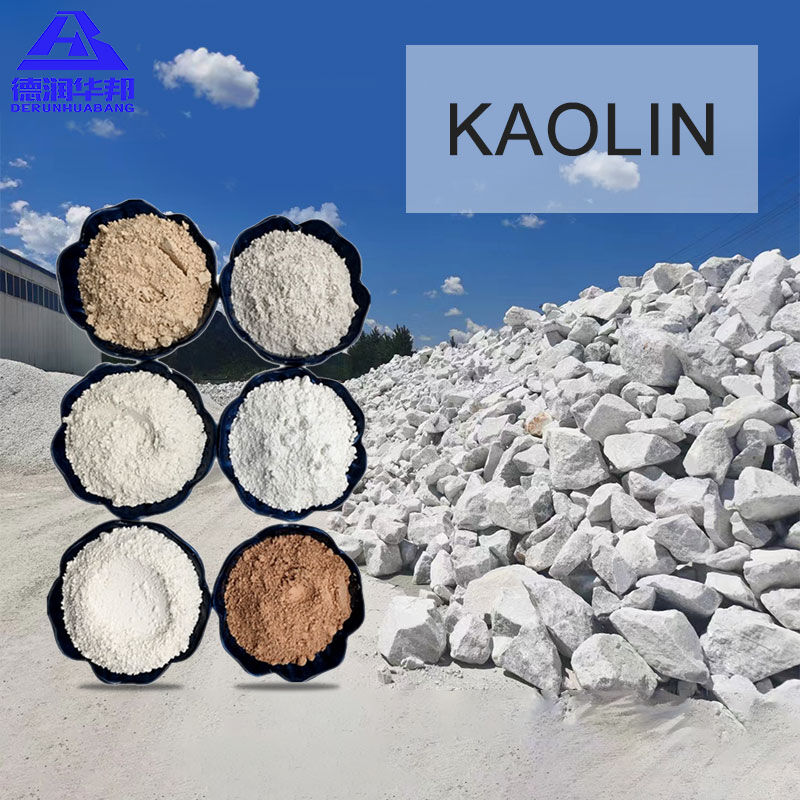
First of all, the calcined kaolin is calcined, and the crystal type and original soil have changed. However, washing kaolin is only a physical treatment, which will not change the properties of the original soil.Secondly, the difference in whitenes...
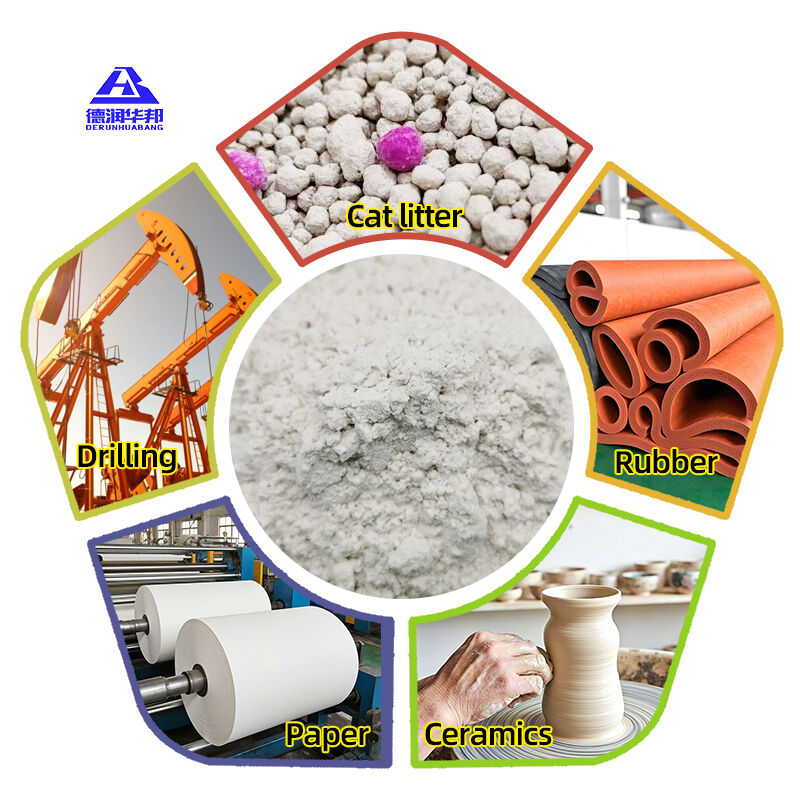
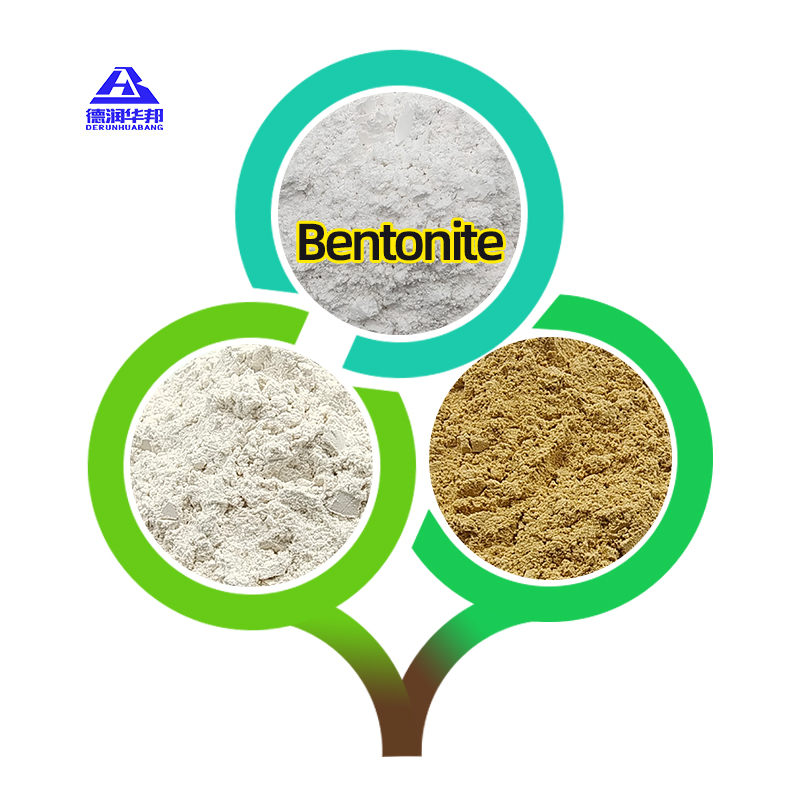
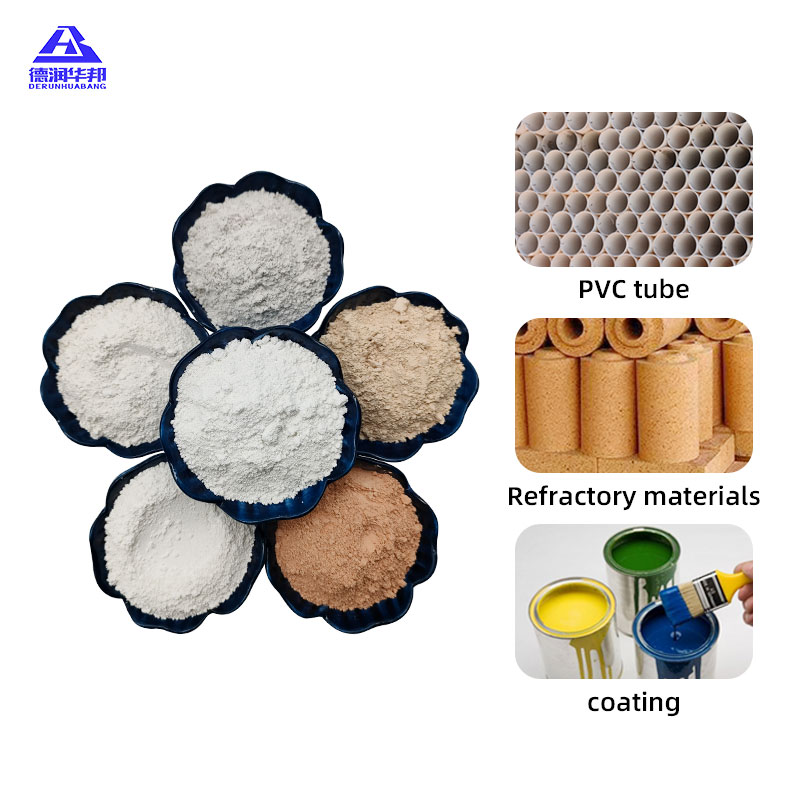
Bentonite is a clay rock mainly composed of montmorillonite. It has excellent expansibility, adsorption, thixotropy and suspension properties. It is widely used in metallurgy, casting, petroleum, chemical industry, building materials, food, environme...
In a world increasingly focused on sustainability and high-performance materials, wollastonite powder (CaSiO₃) is emerging as a game-changer across multiple industries. Known for its unique needle-like crystal structure, high ...
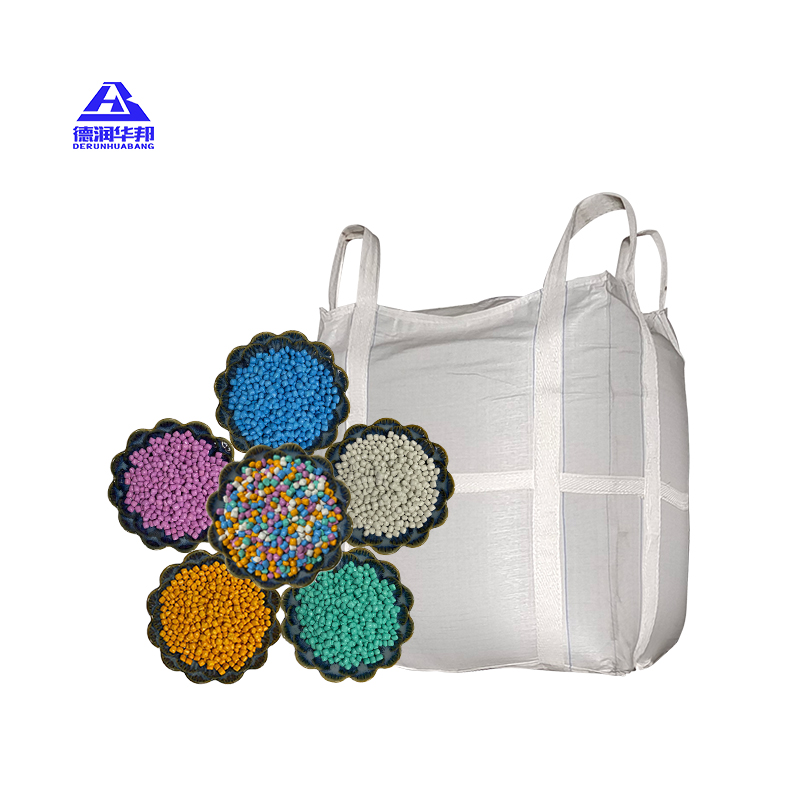
The Role of Pigments in Elevating Epoxy Floor Coatings Epoxy floor coatings have long been favored for their exceptional durability, chemical resistance, and seamless finish, but pigments are the secret to transforming functional surfaces into visual...
What is Himalayan Salt? Himalayan Salt is a natural rock salt primarily composed of sodium chloride (NaCl), possessing properties such as mineral enrichment, air purification, and thermal stability. Mined from ancient salt deposits formed over 250 mi...
Silica is an essential inorganic material that spans from basic building materials to high-end technologies. Silica, the second most abundant natural mineral in the Earth's crust, draws its natural energy from sand and gravel, and through technologic...
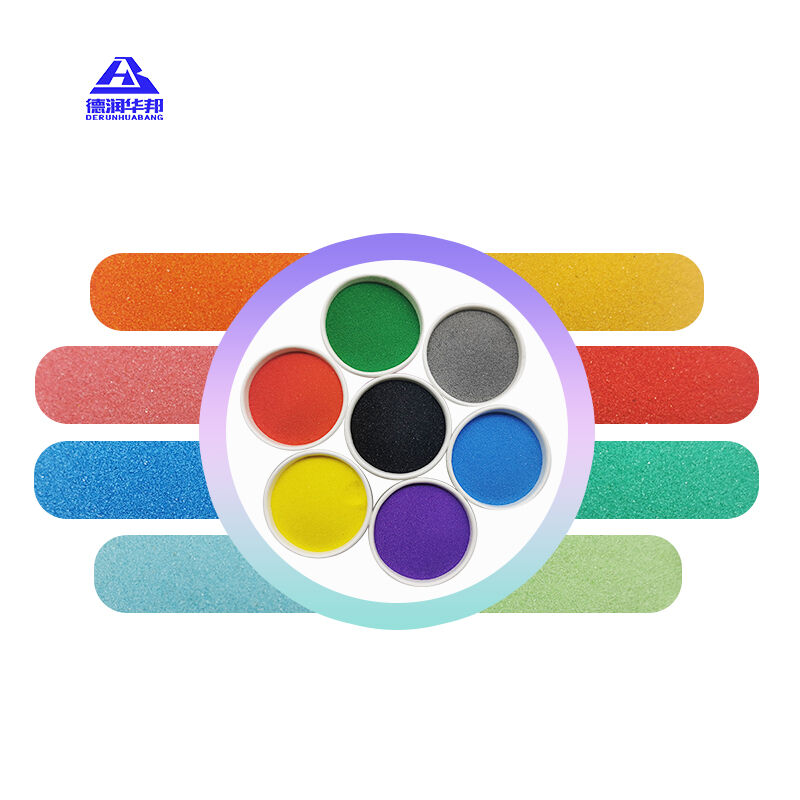
The Rise of Colored Quartz: How Decorative Sand is Revolutionizing Epoxy Flooring In the competitive world of architectural coatings, the demand for flooring that is both beautiful and brutally functional is at an all-time high. Moving beyond ...
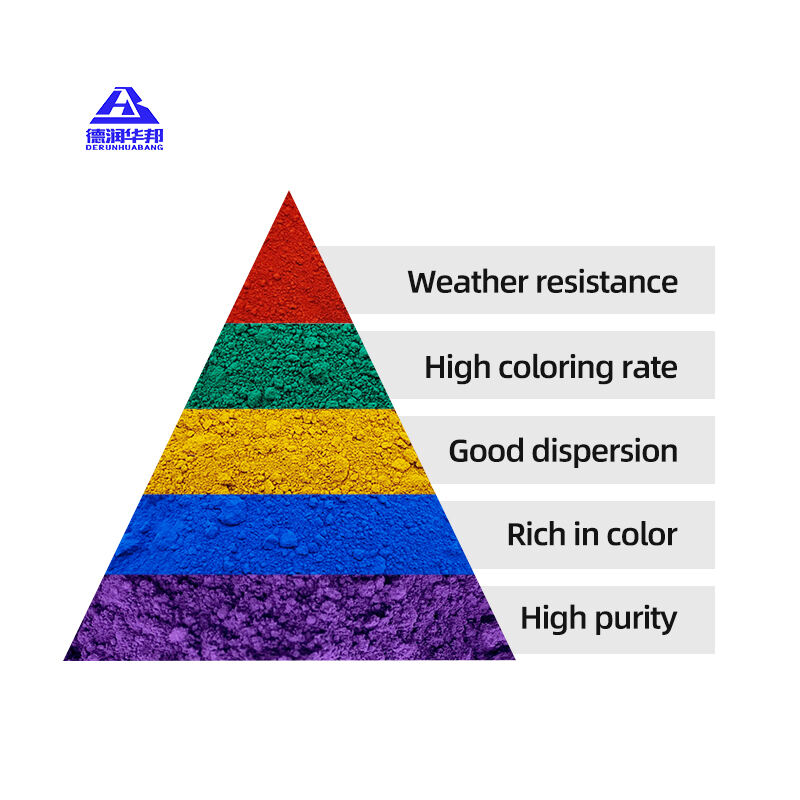
Iron oxide pigments are a class of inorganic color pigments based on iron oxides/hydrated oxides. They are the second most used inorganic pigment globally, second only to titanium dioxide. As the world's second largest inorganic pigment and the large...